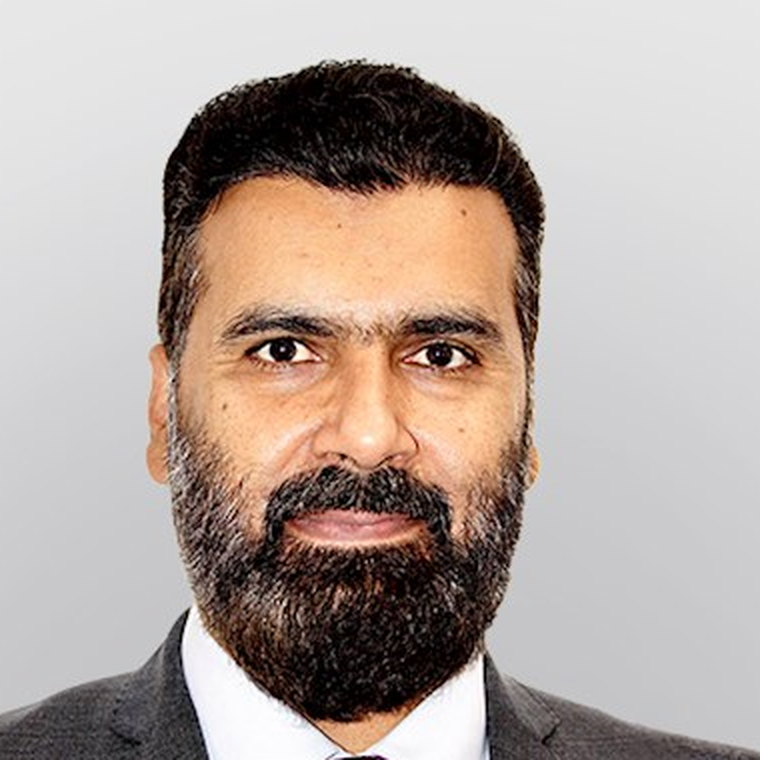
Colonoscopy & Bowel Investigation
Diagnostic and therapeutic colonoscopy for bowel symptoms and cancer screening.
Overview
A colonoscopy is a detailed examination of the lining of the large bowel (colon) and rectum using a thin, flexible tube with a camera at its tip. It allows the bowel wall to be inspected directly on a screen, so that areas of inflammation, polyps or other abnormalities can be identified, sampled and, in many cases, treated during the same procedure. It is one of the most accurate ways to investigate bowel symptoms and to screen for bowel cancer.
Mr Hussain is JAG-accredited, meaning his endoscopy practice meets the national quality standards set by the Joint Advisory Group on Gastrointestinal Endoscopy. He performs colonoscopy and related investigations with a focus on thoroughness, comfort and clear communication, explaining the findings and any next steps so that patients feel fully informed.
Signs & symptoms
- A change in bowel habit lasting more than a few weeks
- Bleeding from the back passage or blood in the stool
- Persistent abdominal pain, bloating or cramping
- Unexplained iron-deficiency anaemia
- Unintended weight loss with bowel symptoms
- A positive bowel-cancer screening (FIT) test
- A family history of bowel cancer or polyps requiring surveillance
- Follow-up surveillance after previous polyps or inflammatory bowel disease
Causes & risk factors
Colonoscopy is used to investigate and detect a wide range of bowel conditions. It is highly effective at finding bowel (colorectal) cancer and the pre-cancerous growths called polyps, which can be removed before they have any chance to become cancerous. This dual ability to diagnose and treat makes it a cornerstone of bowel-cancer screening and prevention.
The test also detects and helps monitor inflammatory bowel disease such as ulcerative colitis and Crohn's disease, diverticular disease, areas of bleeding, and the cause of unexplained anaemia or altered bowel habit. By examining the entire colon, it can explain symptoms that simpler tests cannot, and it allows tissue samples (biopsies) to be taken for laboratory analysis where needed.
How it’s diagnosed
Before the procedure the bowel must be completely empty so the lining can be seen clearly. This is achieved with bowel preparation: a strong laxative solution taken at home according to detailed instructions, usually alongside a low-residue diet for a day or two beforehand and plenty of clear fluids. Good preparation is essential, as it directly affects how thorough and accurate the examination can be.
During the colonoscopy, which typically takes around twenty to forty-five minutes, you lie on your side while the flexible scope is passed gently through the rectum and around the colon. Most patients are offered sedation and pain relief, or gas-and-air, to keep them relaxed and comfortable. Air or carbon dioxide is used to open out the bowel for a clear view, and Mr Hussain inspects the lining carefully, taking biopsies or removing polyps as required.
Treatment options
Diagnostic colonoscopy
This is the core examination of the whole large bowel to look for the cause of symptoms or to screen for disease. The lining is inspected in detail and biopsies can be taken for analysis. It provides a clear, direct assessment that often gives a definitive diagnosis.
Polypectomy
Polyps found during the examination can usually be removed there and then using instruments passed through the scope. Because many bowel cancers begin as polyps, removing them is an effective way of preventing cancer from developing. The removed tissue is sent to the laboratory for analysis.
Flexible sigmoidoscopy
This is a shorter examination of the lower part of the bowel, the rectum and left colon, often used to investigate rectal bleeding or lower abdominal symptoms. It generally needs less bowel preparation than a full colonoscopy and may not require sedation. Mr Hussain will advise when this more limited test is the most appropriate choice.
Endoscopic mucosal resection (EMR)
EMR is an advanced technique for removing larger or flatter polyps that cannot be taken off in the usual way. Fluid is injected beneath the lesion to lift it before it is carefully removed in one or more pieces. It allows many growths to be dealt with without the need for major surgery.
Bowel-cancer screening
Colonoscopy plays a central role in screening, either as a primary test or as a follow-up to a positive stool (FIT) test. By detecting and removing polyps and finding cancers at an early, treatable stage, it can prevent cancer and save lives. As a JAG-accredited endoscopist, Mr Hussain performs these examinations to recognised quality standards.
What to expect
Before your colonoscopy you are given detailed written instructions and a bowel-preparation solution to take at home, usually with a low-residue diet for a day or two beforehand. A clean, empty bowel is essential for an accurate examination, and the clinic team is available by phone if you have questions during preparation.
On the day you are admitted to the endoscopy unit, change into a gown and meet Mr Hussain and the nursing team. You can choose sedation and pain relief given through a vein, or gas-and-air, to keep you comfortable. The examination usually takes twenty to forty-five minutes while you lie on your side, and any polyps can often be removed at the same time. Afterwards you rest until the sedation wears off, and Mr Hussain explains the immediate findings before you go home.
Recovery & aftercare
After the procedure you will rest in a recovery area until any sedation begins to wear off, which usually takes a short while. It is normal to feel a little bloated or to pass wind as the air used during the test clears, and this settles quickly. Most people can eat and drink normally soon afterwards and resume their usual routine the next day.
If you have had sedation you will need someone to take you home and stay with you, and you should not drive, work, sign important documents or drink alcohol for the rest of the day. Mr Hussain or a member of the team will explain the immediate findings before you leave; results from any biopsies or removed polyps take a little longer, and a follow-up arrangement will be made to discuss them and any further steps.
Costs & insurance
Initial consultation
£200
Follow-up appointment
£150
The fees above cover your consultation with Mr Hussain. The cost of any procedure, scan or operation is set and collected by the hospital, not by this website, and depends on the treatment and the hospital you choose. Both self-pay packages and insured care are available at Nuffield Chester, Spire Macclesfield and Circle Cheshire, and the hospital can provide a written, fixed-price quotation before you commit to treatment.
Recognised by all major insurers — Bupa, Bupa Global, Bupa Fee Assured, AXA Health, AXA Global Healthcare, Aviva Health, Vitality, Cigna and more. Self-pay patients are also welcome. If you are claiming on insurance, check whether your policy requires a GP referral before booking.
When to seek urgent help
- Severe or worsening abdominal pain or a hard, swollen abdomen after the test
- Heavy or persistent rectal bleeding
- A high temperature, chills or feeling very unwell
- Persistent vomiting or inability to pass wind
- Dizziness, fainting or shortness of breath
Colonoscopy & Bowel Investigation — frequently asked questions
Is a colonoscopy painful?
How do I prepare with the bowel prep?
What sedation options are available?
How long does the procedure take?
Can polyps be removed during the same test?
When will I get my results?
Are there any risks to having a colonoscopy?
Will I be able to drive home afterwards?
How quickly can I have a private colonoscopy?
Is the bowel preparation the worst part?
Do I need to stop any medications before the test?
What is the difference between a colonoscopy and a sigmoidoscopy?
See Mr Hussain about colonoscopy & bowel investigation
Private consultations at Nuffield Chester, Spire Macclesfield and Circle Cheshire, usually within a few days.
Book a consultation+44 1244 680 444Procedures offered
- Diagnostic colonoscopy
- Polypectomy
- Flexible sigmoidoscopy
- EMR (endoscopic mucosal resection)
- Bowel cancer screening
Typical recovery
Same day discharge. Resume normal diet immediately.