Pilonidal Sinus Surgery
Minimally invasive and traditional excision of pilonidal sinus disease.
Overview
A pilonidal sinus is a small tunnel or cavity that forms in the skin at the top of the buttock cleft, just above the tailbone. It often contains hair and debris, and can become infected, leading to pain, swelling and discharge. The condition is common in younger adults and tends to affect men more than women, particularly those who sit for long periods or have coarse body hair.
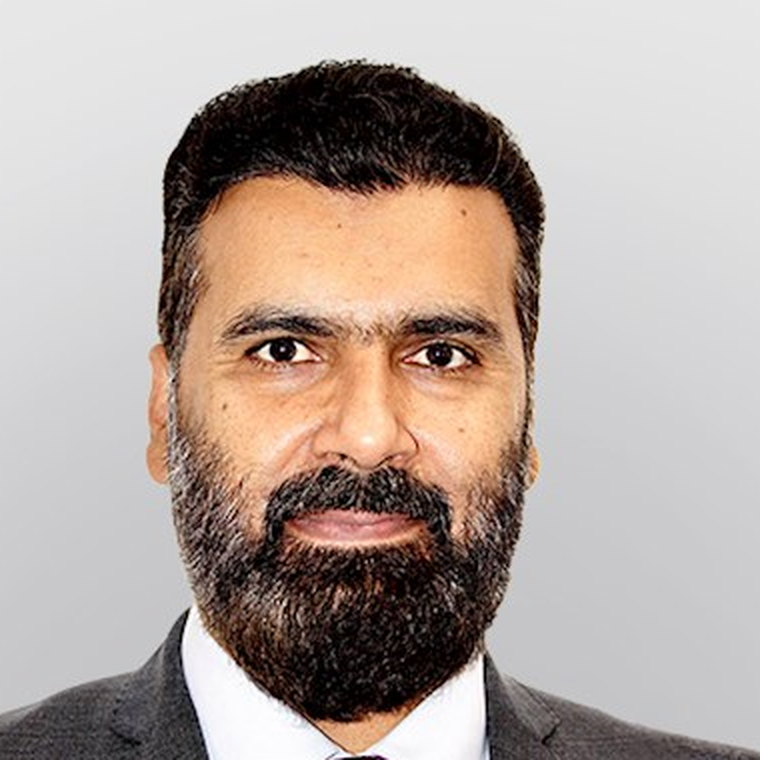
Mr Hussain has a particular interest in pilonidal disease and has published research in this field. He offers a full range of treatments, from minimally invasive endoscopic surgery through to flap reconstruction, and tailors the approach to the severity of the disease and the individual's circumstances, aiming for reliable healing with the lowest practical chance of recurrence.
Signs & symptoms
- Pain, tenderness or swelling at the top of the buttock cleft
- One or more small pits or openings in the skin over the tailbone
- Discharge of pus, blood or fluid, sometimes foul-smelling
- A painful lump or abscess that may develop suddenly
- Redness and warmth of the skin in the area
- Visible hairs protruding from a pit or opening
- Recurrent flare-ups of infection in the same spot
- Feeling generally unwell or feverish during an acute infection
Causes & risk factors
Pilonidal disease is thought to develop when loose hairs and skin debris collect in the natural cleft between the buttocks and become driven into the skin, where they trigger a foreign-body reaction and form a sinus. Friction and pressure from sitting, along with moisture and bacteria in the area, encourage infection and the formation of tunnels and pits.
Several factors raise the risk, including being male, being a young adult, having thick or coarse body hair, a deep buttock cleft, a sedentary or seated lifestyle, being overweight, and a family history of the condition. Poor local hygiene and excessive sweating can also contribute. Understanding these factors is helpful, because measures such as hair removal and good skin care play a part in preventing recurrence after treatment.
How it’s diagnosed
The diagnosis is usually straightforward and made by examining the skin over the lower spine and buttock cleft, where the characteristic pits, openings or a tender swelling can be seen. Mr Hussain assesses the extent of the disease, the number and position of any sinus openings, and whether infection is currently active, as this guides the choice and timing of treatment.
In most cases no scans are needed, but for extensive, recurrent or complex disease imaging such as an MRI may occasionally be used to map the tunnels before reconstructive surgery. If an abscess is present, it is generally treated first to control infection, with definitive surgery planned once the acute episode has settled.
Treatment options
Abscess drainage
When a pilonidal abscess flares up, a small procedure to drain the pus provides rapid relief from pain and swelling. This is usually done under local or general anaesthetic and treats the acute infection rather than the underlying sinus. Definitive surgery to remove the sinus is then planned as a separate step once everything has calmed down.
EPSiT (endoscopic pilonidal sinus treatment)
EPSiT is a minimally invasive, keyhole technique in which a tiny endoscope is used to clean out the sinus and destroy its lining through very small openings. Because there is no large wound, recovery is generally quicker and more comfortable, with a faster return to normal activities. It is well suited to selected cases and reflects Mr Hussain's focus on tissue-preserving approaches.
Bascom's cleft-lift
The cleft-lift is a refined procedure that removes the diseased tissue and reshapes the buttock cleft to make it flatter and less prone to trapping hair. The wound is closed off to one side, away from the midline, which encourages healing and reduces recurrence. It is a particularly valuable option for recurrent disease or where previous surgery has failed.
Karydakis flap
In the Karydakis procedure the sinus is excised and a flap of tissue is advanced so the wound closure sits off the midline. Moving the scar away from the depth of the cleft lowers the risk of the disease returning. It offers a good balance of reliable healing and low recurrence for many patients.
Limberg flap
The Limberg flap involves removing the affected area and using a rotated flap of nearby healthy tissue to fill the defect and flatten the cleft. This off-midline reconstruction is often chosen for larger or more extensive disease. It provides robust, durable coverage with low recurrence rates.
Wide excision with primary closure
This traditional approach removes the whole sinus and surrounding affected tissue, with the wound then stitched closed. It can give a tidy result but, when closed in the midline, carries a somewhat higher recurrence risk than off-midline techniques. Mr Hussain will advise whether it is the right choice for you based on the pattern of your disease.
What to expect
At your consultation Mr Hussain examines the skin over the lower spine and buttock cleft to assess the pits, openings and any swelling, and judges how extensive the disease is. This guides which treatment suits you, from minimally invasive EPSiT through to a flap procedure such as the cleft-lift. If an abscess is present it is usually drained first to settle the infection, with definitive surgery planned once things have calmed down.
Surgery is carried out under anaesthetic, most often as a day case, so you go home the same day. Minimally invasive EPSiT involves no large wound and a quick recovery, while flap procedures use a closed wound placed off the midline to encourage healing. Mr Hussain gives clear advice on keeping the area clean, attending any dressing changes and — importantly — keeping the area free of hair to prevent the sinus returning.
Recovery & aftercare
Recovery varies considerably with the procedure performed. Minimally invasive EPSiT usually allows a quick return to everyday life, often within a few days to a couple of weeks. Flap procedures such as the cleft-lift, Karydakis or Limberg involve a closed wound and stitches, with most people back to desk-based work within two to four weeks, avoiding heavy exertion and prolonged sitting in the early stages. If a wound is left open to heal naturally, full healing can take several weeks of regular dressing changes.
Aftercare focuses on keeping the area clean and dry, attending for any dressing changes or stitch removal, and avoiding activities that put strain or friction on the wound until it is fully healed. Long-term, Mr Hussain strongly recommends keeping the area free of hair through regular shaving or hair-removal methods, along with good hygiene, as this is one of the most effective ways to prevent the sinus returning.
Costs & insurance
Initial consultation
£200
Follow-up appointment
£150
The fees above cover your consultation with Mr Hussain. The cost of any procedure, scan or operation is set and collected by the hospital, not by this website, and depends on the treatment and the hospital you choose. Both self-pay packages and insured care are available at Nuffield Chester, Spire Macclesfield and Circle Cheshire, and the hospital can provide a written, fixed-price quotation before you commit to treatment.
Recognised by all major insurers — Bupa, Bupa Global, Bupa Fee Assured, AXA Health, AXA Global Healthcare, Aviva Health, Vitality, Cigna and more. Self-pay patients are also welcome. If you are claiming on insurance, check whether your policy requires a GP referral before booking.
When to seek urgent help
- Spreading redness, marked swelling or increasing pain suggesting fresh infection
- A high temperature, chills or feeling very unwell
- Heavy or persistent bleeding from the wound
- Wound edges coming apart or a sudden increase in discharge after closure
- Severe pain not controlled by prescribed painkillers
Pilonidal Sinus Surgery — frequently asked questions
Will the pilonidal sinus come back after surgery?
Which treatment is best for me?
How long will I need off work?
How do I look after the wound?
Why is hair removal so important afterwards?
Is the surgery painful?
Can a pilonidal sinus be treated without an operation?
How soon can I be seen and treated?
Is the cleft-lift better than traditional surgery?
Will I be able to sit and drive afterwards?
Does a pilonidal sinus need treating if it isn't bothering me?
I've had pilonidal surgery before that failed — can it still be fixed?
See Mr Hussain about pilonidal sinus surgery
Private consultations at Nuffield Chester, Spire Macclesfield and Circle Cheshire, usually within a few days.
Book a consultation+44 1244 680 444Procedures offered
- EPSiT (endoscopic) treatment
- Bascom's cleft-lift
- Wide excision with primary closure
- Karydakis flap
- Limberg flap
Typical recovery
EPSiT: 1 week. Open excision: 4–8 weeks.